Concrete cutting
Precise diamond-blade cutting to remove damaged slab sections before repair or replacement - works alongside foundation raising when a section needs full removal.
Learn MoreA settled stoop, tilted patio, or dropped garage floor slab is a safety hazard and gets worse every wet season. We lift sunken concrete back to level, patch the drill holes, and you can walk on it the same day.
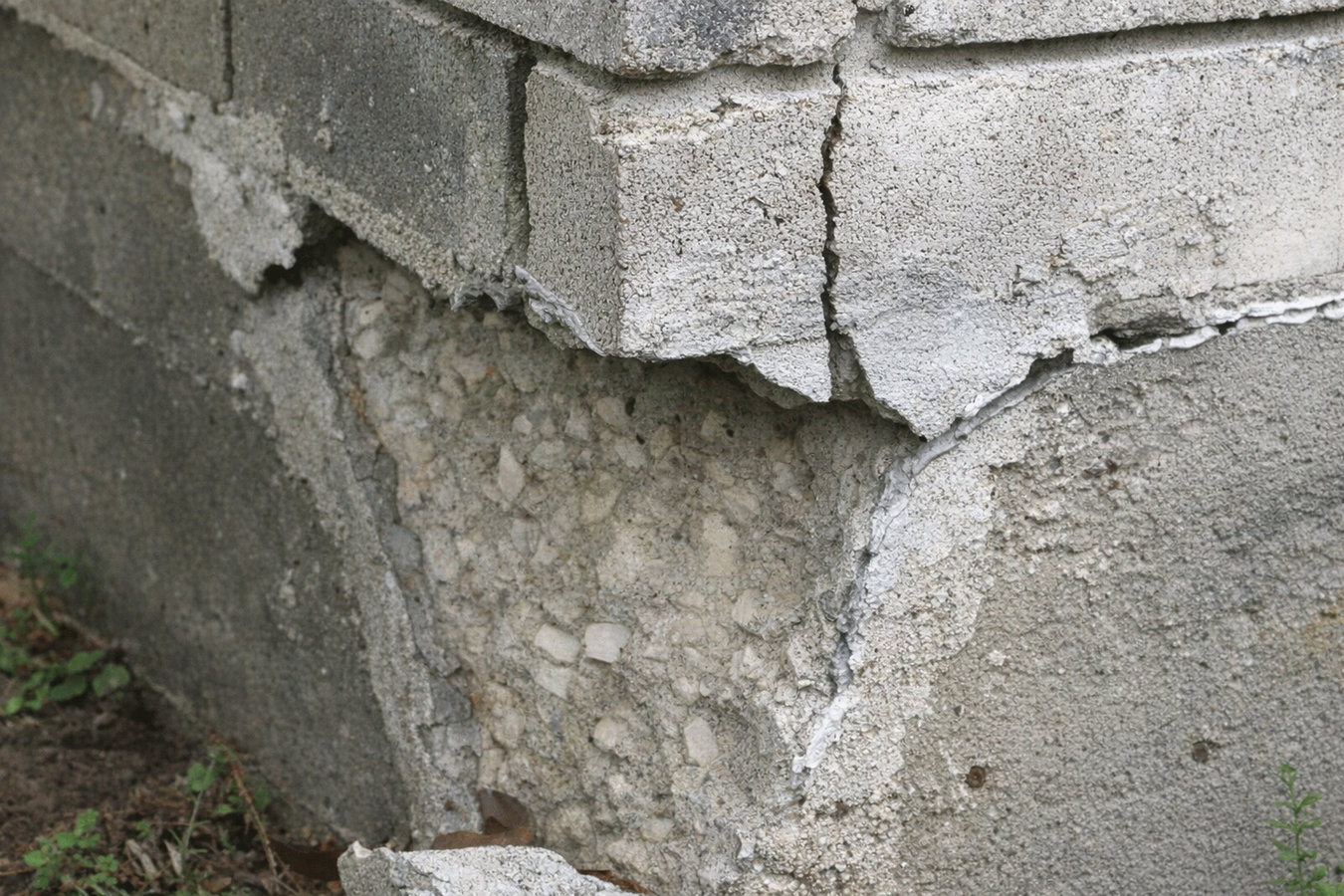
Foundation raising in Annandale lifts sunken or uneven concrete slabs back to their original level by pumping material through small drilled holes into the void below - most jobs on a single slab take two to four hours, and you can typically walk on the surface the same day.
If your front stoop has developed a noticeable tilt, your patio no longer drains the way it used to, or you have spotted a gap forming where a slab meets your home, the concrete itself is often still sound - it is the soil underneath that has shifted. In Annandale, the clay-heavy Piedmont soil that most homes sit on swells and contracts with every rain and dry spell, which is one of the most common reasons slabs settle here. We assess the slab, identify what caused the movement, and lift it rather than tearing it out and starting over. For situations where the damage has gone further and a full structural base is needed, our slab foundation building service handles new pours from the ground up.
If you can feel a slope when you walk up to your front door, or if water now pools on a surface that used to drain cleanly, the slab has likely shifted. In Annandale's older neighborhoods, stoops poured in the 1960s and 70s have had decades for the soil beneath them to compress or wash away. A tilted surface is also a tripping hazard that will not fix itself.
A visible gap where a concrete slab meets your foundation wall, a garage wall, or a set of steps is a clear sign the slab has dropped. This gap can let water into your foundation and creates a tripping hazard. These gaps tend to grow wider over time as the slab continues to settle, so the sooner it is addressed the simpler the fix.
Cracks running diagonally from the corners of a slab often mean the concrete has lost support underneath and is carrying weight unevenly. This is different from the hairline surface cracks that are common and mostly harmless. Corner cracking typically means the void underneath is large enough to need filling before the slab drops further.
Annandale gets significant rainfall, and a settled slab can tilt just enough to redirect water toward your foundation rather than away from it. If you have noticed water pooling near your home after a storm, a shifted slab may be contributing. This is worth correcting before wet spring conditions cause further erosion underneath.
We handle slab lifting for all the common residential surfaces in Annandale - front stoops, rear patios, garage floor sections, driveway panels, and walkways. Before any material goes in, we do an honest assessment of the slab to determine whether raising is actually the right call. If the concrete is cracked into multiple pieces or the underlying drainage problem is too significant to ignore, we will tell you. If raising is the right move, we drill the injection holes, pump material to fill the void and restore level, and patch the holes flush with the surrounding surface. You get a written quote before we start and a walk-through of the result when we finish. For projects where a structural slab needs to be rebuilt rather than lifted, our slab foundation building service covers full new pours.
The method we use - mudjacking with a cement-soil slurry or polyurethane foam injection - depends on the size of the void, the condition of the slab, and what makes the most sense for your budget. Foam is lighter and cures faster; mudjacking costs less per square foot for larger areas. We explain the trade-offs clearly and let you decide. Where the scope extends to new structural work below grade, our concrete cutting team handles precise removal of damaged sections before new material is placed.
For front and side stoops that have tilted or dropped away from the home - the most common foundation raising call we get in Annandale's mid-century neighborhoods.
For patio slabs and pool deck sections that have settled unevenly, creating trip hazards or allowing water to pool where it should not.
For garage floor sections that have dropped along the perimeter or at the center, particularly common in garages built in the 1960s and 70s when subbase compaction standards were less rigorous.
For individual driveway panels that have settled lower than the panels around them, creating an uneven surface that damages vehicles and poses a trip hazard at the edges.
Annandale sits on Piedmont clay soil that expands when it gets wet and contracts when it dries out. This cycle repeats with every rain and every dry spell, and over years it gradually erodes or shifts the material underneath concrete slabs. The bulk of Annandale's residential development happened from the 1950s through the 1970s, when compaction standards during original construction were less rigorous than they are today. That means a large share of the stoops, patios, and garage floors in this area are 50 to 70 years old and sitting on subbase fill that was never compacted well enough to last. Add the roughly 42 inches of annual rainfall Northern Virginia receives and the drainage challenges that come with Annandale's mature neighborhood layouts, and you have the conditions that make slab settlement a recurring issue here - not a one-off repair.
We work on foundation raising projects throughout the area, including homeowners in Fairfax, VA and Burke, VA where the same clay soil and similar mid-century housing stock creates the same settling patterns. If you are not sure whether what you are seeing is a foundation raising job or something else, a site visit is the right first step - we will look at it and give you a straight answer.
Tell us what surface has shifted and roughly how much it has moved. You do not need to know the answers to everything - just describe what you see. We respond within one business day and schedule a site visit.
We come to your property to look at the slab in person - checking how much it has settled, examining the drainage around it, and confirming the concrete is in good enough shape to be raised. This visit is free and takes 20 to 40 minutes. You leave with a written quote and an honest answer.
If the job requires a Fairfax County permit - which depends on the scope and whether the slab connects to your home's structure - we handle that paperwork. Most jobs can be scheduled within a week or two of the estimate.
The crew drills small holes, injects material to fill the void and lift the slab, then patches the holes flush. Most single-slab jobs finish in a few hours. We walk you through the result before we leave and tell you exactly how long to stay off the surface.
Free on-site estimate. Written quote before we start. No obligation.
(571) 788-4641Lifting a slab without looking at what caused it to settle is often a short-term fix. We look at drainage patterns on your property during the estimate visit and tell you honestly if there is an underlying problem that needs to be addressed. You deserve a repair that holds, not one that needs to be redone after the next wet spring.
Our contractor license is issued through the Virginia Department of Professional and Occupational Regulation and is verifiable at dpor.virginia.gov. We carry general liability and workers' compensation coverage on every job. This protects your property and protects you if anything unexpected happens on-site.
When your project requires a Fairfax County building permit, we file the paperwork and coordinate with the county - you do not navigate the process alone. This matters at resale: permitted work is on record and gives buyers' inspectors nothing to flag. Unpermitted structural work can complicate a home sale significantly.
We have worked in Annandale's older neighborhoods long enough to know how Piedmont clay behaves under a slab across different seasons. That local experience shapes how we size the injection, what method we recommend, and what follow-up guidance we give you - not a formula that ignores local soil conditions.
Foundation raising is one of those repairs that looks simple from the outside but requires real local knowledge to do right. The American Concrete Institute sets the professional standards for concrete work that guide how responsible contractors approach these jobs. Combined with our experience on Annandale's specific soil and housing stock, that is what gives you a result that lasts.
Precise diamond-blade cutting to remove damaged slab sections before repair or replacement - works alongside foundation raising when a section needs full removal.
Learn MoreWhen a sunken slab cannot be raised and needs to come out entirely, we pour a new slab foundation built to current standards for your soil and load conditions.
Learn MoreAnnandale's wet springs are hard on settled slabs - every season you wait gives water more time to erode the soil further and widen the gap. Call or send a message today.